




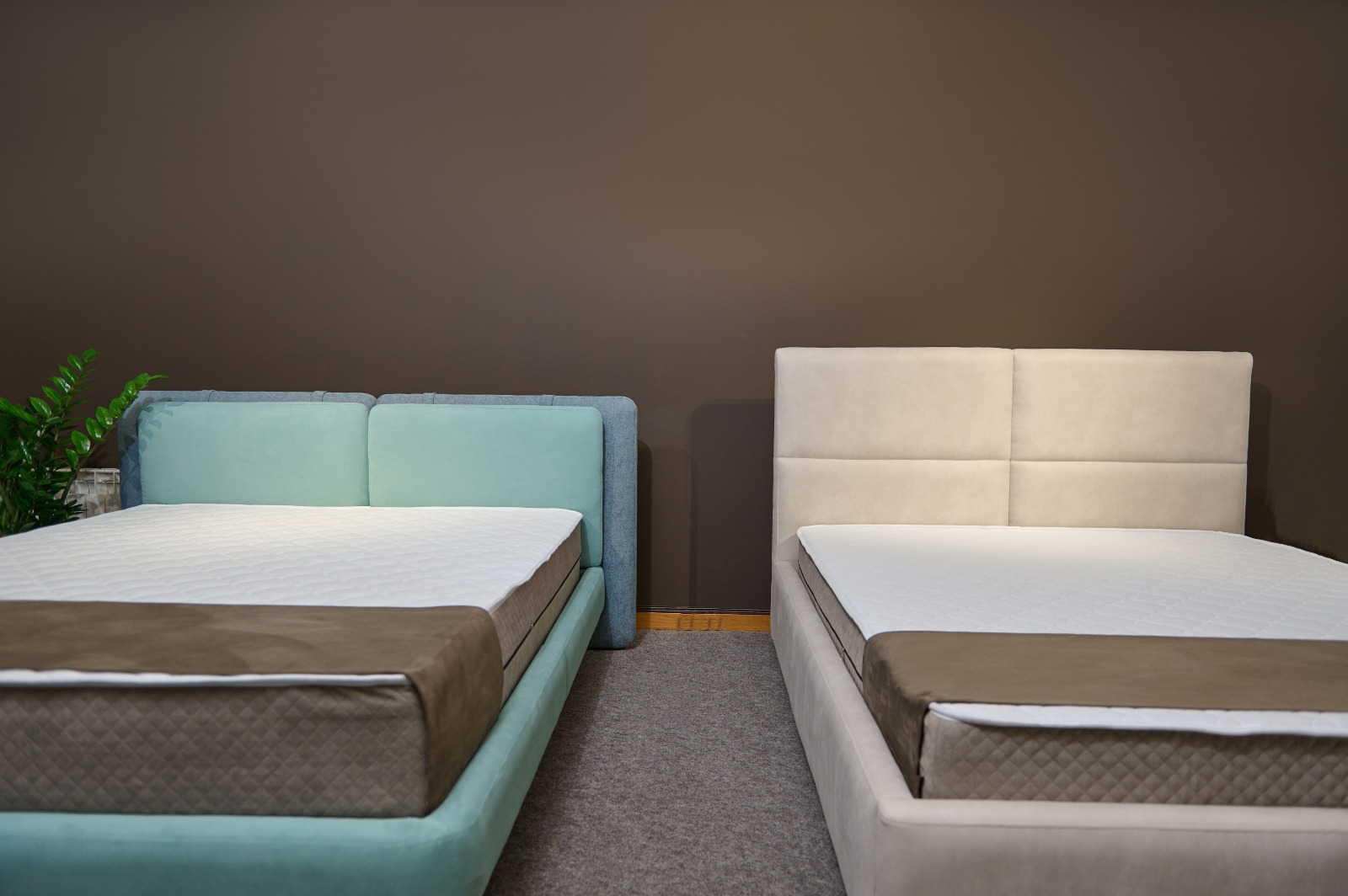
When buying a new mattress, size is one of the first and most important decisions you’ll face. A bed that’s too small can feel cramped and limit your comfort, while one that’s too large may overwhelm your bedroom and eat up valuable floor space. Striking the right balance is key, which is why understanding mattress dimensions before you buy is so important.
Among all mattresses, the twin mattress stands out as one of the most popular choices, especially for kids, teens, dorm rooms, and single sleepers in smaller bedrooms. Compact yet practical, it provides enough comfort without taking up unnecessary space. But what exactly are twin mattress dimensions, and how do they compare with other standard sizes? Let’s break it down in detail.
Twin Size Bed Dimensions
A standard twin mattress measures 38 inches wide by 75 inches long, making it the smallest bed size designed for one person. This compact design is ideal for children who are transitioning out of a crib, teenagers, or adults who have limited bedroom space.
Compared to larger sizes, the twin’s width is the narrowest, which makes it easy to fit in smaller rooms measuring at least 7 x 10 feet. A twin bed is also a common choice for bunk beds, daybeds, and trundle beds, all of which are designed to save floor space. Its affordability and lightweight frame also make it one of the easiest mattresses to move, rotate, or transport from one room to another.
If you’re furnishing a child’s room or need a simple, space-saving option for a guest room, a twin bed offers both practicality and value without compromising comfort for one sleeper.
Mattress Sizes
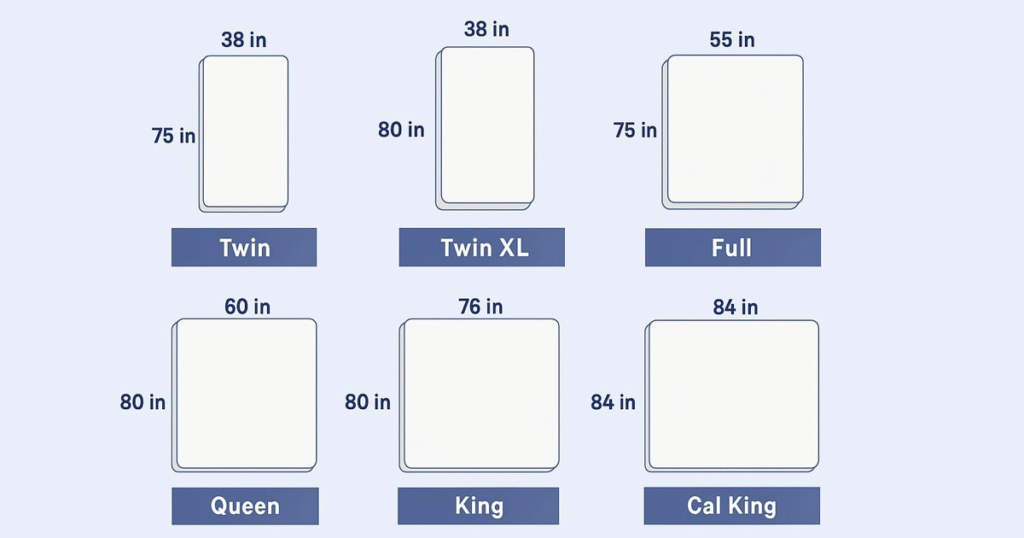
Each mattress size comes with its own dimensions, making it easier to compare with a twin mattress.
Compared to these, the twin stands out for being the smallest and most affordable, yet it still provides enough sleeping space for one person. A full-size mattress, which is 16 inches wider than a twin, is often the next step up for single adults. Queen and king beds are more suited for couples, offering far more width and length.
By understanding these dimensions, you can quickly see where the twin mattress fits within the larger range of options and determine if it’s a match for your sleeping needs.
Twin vs. Twin XL Beds
The key difference between a twin and twin XL mattress lies in length.
- Twin: 38” wide x 75” long
- Twin XL: 38” wide x 80” long
The additional 5 inches of length in a twin XL makes it the same length as a queen or king mattress. While both sizes are designed for one person, a twin XL is far more comfortable for taller sleepers, particularly anyone over 6 feet tall. This is why twin XL beds are a common choice for college dorm rooms, where accommodating different heights is important.
For children and teens, a standard twin often works perfectly. But for growing teenagers or adults who need more legroom, a twin XL is a smarter choice. Ultimately, the decision comes down to the sleeper’s height and the room size available.
How to Choose a Mattress Size
Selecting the right mattress size goes beyond just knowing the measurements. Your height, sleep position, and room size all affect whether a twin is a practical choice. Additionally, you should consider if you’ll be sharing your bed with someone else or even a pet. Let’s break down these factors to help you decide.
Height
Your height can play a major role in determining your optimal mattress size. For example, twin and full mattresses are 75 inches long, while twin XL, queen, and king mattresses have a length of 80 inches. California king mattresses extend even further to 84 inches.
In general, a shorter mattress should work well if you are under 6 feet tall or if you tend to curl up when you’re sleeping. If you are more than 6 feet tall or want plenty of space to stretch out, a longer bed is a better match for you.
Taller people who stretch their arms or legs out to the side may also want to consider a mattress that is wider than a twin or twin XL, which offer only 38 inches of width. In contrast, a full-size mattress is 54 inches wide, while a queen or king offers even more room to spread out comfortably.
Sleep Position
Your sleep position also affects which mattress size is best for you. For instance, back and stomach sleepers typically require less room to feel comfortable and may sleep well on a twin mattress. Side sleepers, however, often need more space to stretch their arms and legs without feeling cramped.
Active sleepers who toss and turn frequently during the night may find a twin too narrow, since it’s only 38 inches wide. In this case, a full or queen mattress may be more suitable because they offer greater width for unrestricted movement.
If you tend to curl up while sleeping, a twin mattress should be adequate. However, if you like to sprawl out, a wider mattress is a smarter investment to avoid discomfort. By aligning your mattress choice with your sleep position, you can ensure a more restful night’s sleep.
Bed Sharing
Twin mattresses are specifically designed for one person. At just 38 inches wide, they don’t provide enough space for two adults to sleep comfortably. Even sharing with a child or a pet can feel restrictive in such a narrow bed.
If you plan to share your bed, a larger size such as a full (54” wide), queen (60” wide), or king (76” wide) is far more practical. These options provide the extra room necessary for multiple sleepers to rest without feeling cramped.
That being said, twin mattresses are excellent for situations where sharing isn’t necessary, such as in children’s bedrooms, guest rooms, or dorm spaces. Their affordability also makes them attractive for parents purchasing multiple mattresses for bunk beds or shared kids’ rooms.
Bedroom Size
The dimensions of your bedroom should also guide your mattress choice. A twin bed works best in rooms that measure at least 7 feet by 10 feet. This allows space not just for the bed but also for essential furniture like a dresser, desk, or nightstand, while leaving enough walking space around the bed.
Larger beds, such as queens and kings, require significantly more space and may overwhelm small bedrooms. For example, a queen mattress usually needs a room that is at least 10 x 10 feet, while a king often requires a room measuring 12 x 12 feet or larger.
If you live in a small apartment or are furnishing a compact guest room, a twin bed helps maximize floor space without sacrificing comfort. This makes it a highly practical choice for those working with limited square footage.
The Right Fit for Your Bedroom
A twin mattress (38” x 75”) is the most compact standard mattress, perfect for kids, teens, and single adults who need a space-saving yet comfortable sleeping solution. If you’re taller than 6 feet, the twin XL (38” x 80”) is a smarter choice, giving you the extra legroom you need without taking up more floor space. Choosing between these options comes down to your height, sleep position, and room size.For stylish furniture that complements your new mattress, explore Affordable Furniture 610. From modern panel beds to cozy upholstered sets, you’ll find Queen, King, Full, and Twin bedroom collections complete with dressers, mirrors, and storage. Designed for durability and budget-friendliness, Affordable Furniture 610 makes it easy to create a bedroom that’s both functional and inviting.