




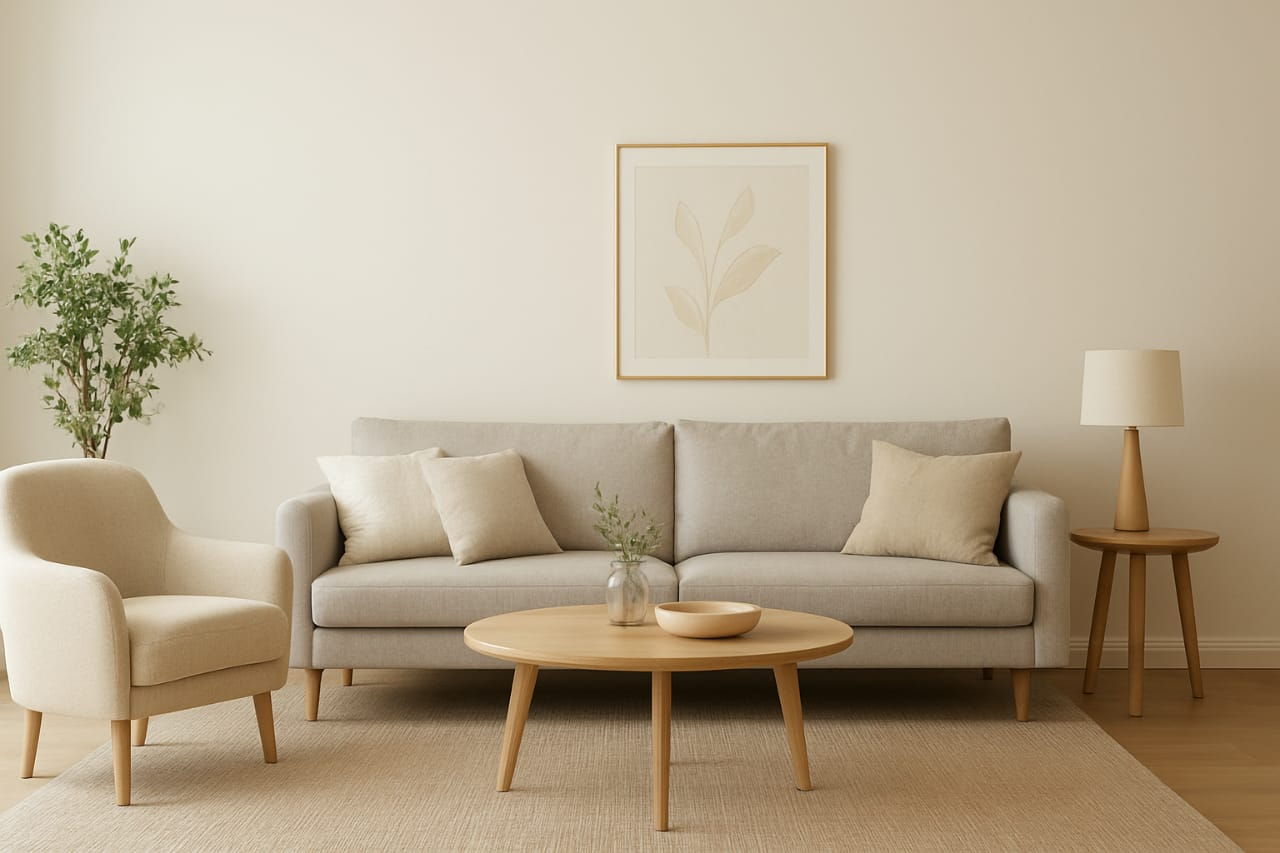
Arranging living room furniture is both an art and a science. A well-planned layout makes your space feel warm, stylish, and functional, while a poor arrangement can make even the most expensive furniture look awkward. The goal is to create a balanced environment that encourages comfort, conversation, and natural movement throughout the room.
Whether you’re setting up a brand-new living room or refreshing your current one, knowing how to properly arrange furniture can save you time, money, and frustration. At Affordable Furniture 610, we make it easy to style your living room with high-quality sofas, sectionals, coffee tables, and décor that blend comfort with affordability. In this blog, we’ll cover key rules and expert tips interior designers use to transform ordinary living rooms into inviting retreats and how the right furniture can make all the difference.
Explore Common Living Room Layouts
Before you start dragging furniture around, it helps to visualize the most common layouts. Each type of arrangement works differently depending on your room’s shape, size, and purpose.
- U-Shaped Layout: Perfect for large gatherings, this setup uses a sofa and two chairs (or sectionals) to form a U around a focal point like a fireplace or coffee table. It’s great for socializing.
- L-Shaped Layout: Works well in medium-sized rooms, using a sofa and sectional or a sofa paired with chairs. It feels cozy without overcrowding.
- Symmetrical Layout: This uses matching pairs of furniture — like two sofas or chairs facing each other, to create balance and elegance.
- Floating Layout: Instead of pushing furniture to the walls, pieces are placed toward the center, giving the room an open and airy vibe.
The right layout sets the foundation for everything else, so spend time experimenting with options before settling on one.
Define a Clear Focal Point
Every living room needs a “star of the show.” This focal point acts as the anchor for the room, guiding where you place your main seating. Common focal points include fireplaces, large windows, entertainment centers, or even a statement piece of art.
If your living room doesn’t naturally have one, you can create one with a bold accent wall, a large bookshelf, or a stylish media console. The key is to direct furniture toward this element so that the room feels intentional rather than scattered.
Pro Tip: If you have multiple potential focal points (say, a fireplace and a TV), choose the one that fits your lifestyle best. Some homeowners even blend them by mounting the TV above the fireplace.
Avoid the “Wall Hugger” Look
Many people instinctively push sofas and chairs against the walls to “open up space,” but this can actually make the room feel unbalanced and disconnected. Instead, pull your furniture inward and create groupings that encourage interaction.
Leaving a small gap (even just 4–6 inches) between furniture and walls makes the space feel intentional and often larger. Floating arrangements also give you room to add elements like console tables or lighting behind sofas, adding both function and style.
Remember: The goal isn’t to fill every inch of wall space, it’s to create a cozy, inviting atmosphere in the center of the room.
Decide on the Best TV Placement
In many homes, the TV plays a starring role in the living room. But poor placement can ruin the flow and comfort of the space. Ideally, your TV should be positioned at eye level when seated and at a distance of about 1.5 to 2.5 times the diagonal screen size.
For example, if you have a 60-inch TV, your sofa should sit roughly 7.5 to 12.5 feet away. Mounting the TV too high (like over a tall fireplace) can strain your neck, so be mindful of height.
If you prefer a design-first living room, place the TV off-center or even hide it in a cabinet. This way, the room doesn’t revolve solely around screen time. A well-chosen TV stand is one of the easiest ways to achieve ideal placement.
Create Conversation Zones
A living room is more than just a place to watch TV, it’s a social hub. Arranging furniture into conversation zones helps encourage interaction and creates a welcoming vibe.
For smaller rooms, angle chairs slightly toward the sofa to create a semi-circle. In larger spaces, consider multiple seating areas: one for watching TV, another for reading, and maybe a corner with a small table for board games or work.
Conversation areas should always feel accessible and natural. Anchor them with rugs or coffee tables so they don’t look like random furniture floating in the room.
Strike a Sense of Balance
A balanced room feels harmonious and well thought out. Without balance, one side of the room can feel too “heavy” or cluttered. To avoid this, distribute large furniture pieces evenly and mix in smaller accents for variety.
For example, if you have a large sectional on one side, balance it with two chairs or a tall bookcase on the opposite side. Matching heights also help, pairing a low sofa with a tall armoire can feel jarring unless offset with mid-height furniture.
Symmetry is another powerful tool. Matching lamps, end tables, or chairs can instantly bring order to a space.
Maintain Comfortable Pathways
Style is important, but so is functionality. A beautiful living room won’t be enjoyable if it’s hard to move through. Always leave 2–3 feet of clearance in walkways to avoid a cramped feeling.
Think about the flow: how people enter the room, where they’ll walk to reach the sofa, and how they’ll pass from one area to another. Avoid blocking pathways with oversized furniture or cluttered décor.
Pro Tip: Sketch a simple floor plan before moving anything. It’ll save your back (and your patience) in the long run.
Choose the Right Rug Size
A rug is like a frame for your living room. It defines the seating area and brings all the furniture together. But the size of the rug can make or break your design.
The golden rule: At least the front legs of your furniture should rest on the rug. For larger rooms, go even bigger so all pieces sit fully on top of it. Rugs that are too small can make your furniture feel disconnected and the room incomplete.
Rugs also serve practical purposes: they absorb sound, add warmth, and protect your floors. For open-concept spaces, they can even help visually separate different zones.
Opt for a Generous Coffee Table
Your coffee table is the anchor of your seating area. It should be about two-thirds the length of your sofa and placed 14–18 inches away from seating for easy reach.
A larger coffee table makes the room feel grounded and provides space for décor, drinks, or snacks during gatherings. For smaller rooms, consider an ottoman with storage or nesting tables that can be tucked away when not in use.
Style Tip: Use trays or books to organize items on your table so it looks chic without being cluttered.
Keep Tables Within Reach
No one likes stretching awkwardly just to set down a drink. That’s why side tables are essential. Place them next to seating at arm’s length, and make sure they’re at roughly the same height as your sofa or chair arm.
Having a few well-placed tables improves both function and style. They also provide opportunities to add lamps, plants, or decorative accents, which can elevate your design without much effort.
Layer in Lighting
Lighting is the secret ingredient to a cozy living room. Relying only on overhead lighting makes the room feel flat, while layered lighting adds warmth and depth.
Use a combination of floor lamps, table lamps, sconces, and even candles to create different moods. Place lamps near seating areas for reading, and make sure no corner feels too dark. Dimmer switches are especially helpful for adjusting light levels to match the occasion.
Remember: Good lighting can make inexpensive furniture look high-end, while poor lighting can make even the nicest room feel dull.
Scale Artwork to the Room
Artwork brings personality to a living room, but the size must match the furniture and wall space. A single small piece above a large sofa can feel out of place. Ideally, artwork should be about two-thirds the width of the furniture below it.
If you love smaller art pieces, group them together in a gallery wall to create impact. Large statement artworks beautifully over sofas or mantels.
Don’t forget height, artwork should be hung at eye level (around 57 inches from the floor) for the best effect.
Pulling It All Together
After arranging your furniture, adding rugs, and layering lighting, take a step back and evaluate the entire room. Does the flow feel natural? Is there balance between large and small pieces? Does the room invite both conversation and relaxation?
Arranging living room furniture isn’t about following rigid rules, it’s about creating a space that reflects your lifestyle. Don’t be afraid to move pieces around until the room feels “just right.” With patience and creativity, you can transform any living room into a stylish, comfortable retreat.
Best Picks for Living Room Furniture
Looking for furniture that’s both stylish and budget-friendly? Affordable Furniture 610 offers a wide range of sofas, sectionals, coffee tables, and full living room sets. Whether you love sleek modern designs, classic traditional styles, or cozy family-friendly pieces, you’ll find durable options that fit your budget.
Upgrade your living room with furniture that combines comfort, quality, and affordability, all in one place. Shop Affordable Furniture 610 and bring your dream living space to life.