




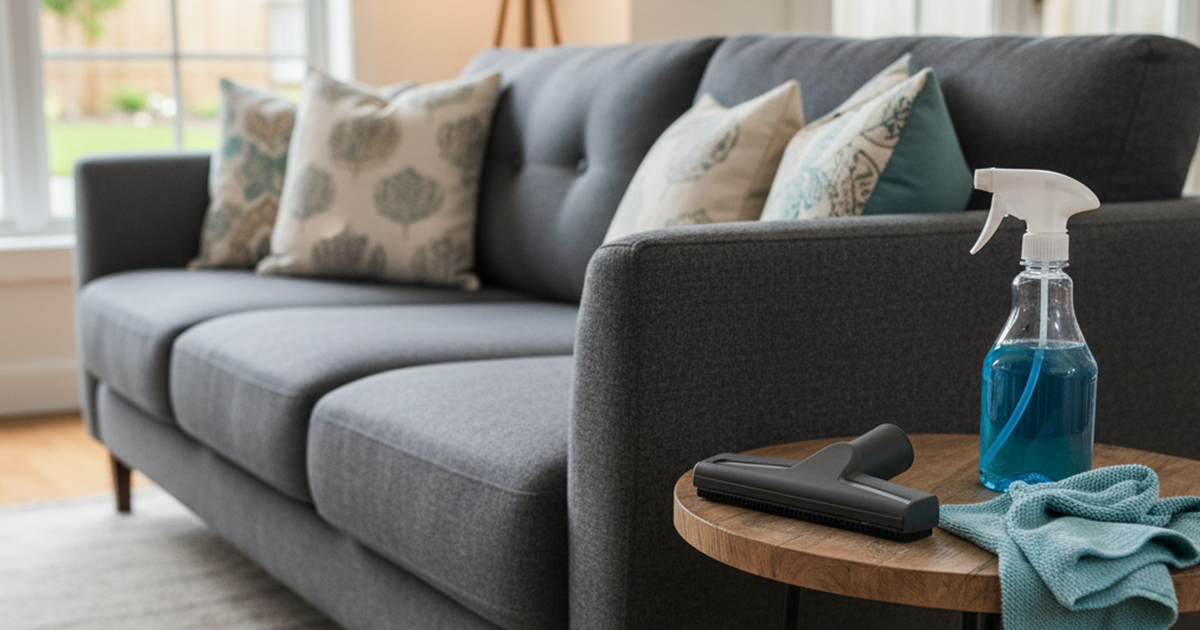
Upholstered furniture makes a house feel warm and inviting, but in Houston’s climate it requires more upkeep than in many other parts of the country. High humidity encourages mold and mildew growth, while heavy pollen, dust, and pet dander settle quickly into fabric. Add in Houston’s long summers and frequent rainstorms, and it’s no surprise that couches, chairs, and sectionals can show wear and odors faster than expected.
If you’ve ever wondered how to clean upholstery effectively, you’re not alone. Many Houston homeowners face the same challenges: keeping fabrics fresh, tackling stubborn stains, and preventing moisture damage. In this guide, you’ll find step-by-step cleaning methods tailored for local conditions, learn how fabric type changes the approach, and get tips to extend the life of your furniture in Houston’s demanding environment.
Why Upholstery Needs Extra Care in Houston’s Climate
High Humidity Risks: Houston’s consistently humid climate causes fabrics to dry slowly after cleaning, creating ideal conditions for mold, mildew, and odor if moisture isn’t controlled.
Recommended Indoor Humidity: Experts advise keeping indoor humidity below 60% (ideally 30–50%) to prevent mold growth and dust-mite buildup, a challenge in Houston’s damp environment.
Allergen Buildup: Rising pollen and mold-spore counts in Houston lead to allergens and particulates settling into upholstery, worsening allergies and visible soiling.
Cleaning Frequency:
- Weekly: Vacuum upholstery using an attachment to remove debris and skin oils.
- Every 6–12 months: Schedule professional deep cleaning, especially for homes with pets, children, or heavy use.
- Every 12–18 months: Suitable for light-use households.
Moisture Management: Use air conditioning, dehumidifiers, and exhaust fans to maintain safe humidity levels, extend fabric life, and prevent odor or allergen buildup in Houston homes.
Step-by-Step Guide on How to Clean Upholstery at Home
Keeping furniture fresh doesn’t always require professional service, with the right steps, Houston homeowners can handle routine upkeep on their own. Humidity makes thorough drying essential, so each stage should be done carefully to avoid lingering dampness.
1. Vacuum thoroughly before anything else
Use a vacuum with an upholstery attachment to lift dust, crumbs, pollen, and pet dander from cushions, crevices, and armrests.
2. Identify fabric type and cleaning code
Check the manufacturer’s care label, often found beneath cushions or on the underside of furniture. The codes are key:
- W = Water-based cleaners are safe.
- S = Solvent-based cleaners only (no water).
- WS/SW = Both water- and solvent-based are acceptable.
- X = Vacuum only; no liquid cleaners.
3. Spot-clean stains promptly
Blot (never rub) with a clean cloth. For water-safe fabrics (code W), mix a few drops of mild dish soap in warm water and dab gently. For solvent-clean fabrics (code S), use a designated upholstery solvent. Always test in a hidden area first to ensure no discoloration.
4. Apply fabric-safe cleaning solution
Lightly mist the solution onto soiled sections and gently blot with a microfiber cloth. Avoid over-saturation, Houston’s humid climate slows drying and can encourage mildew.
5. Drying techniques matter in Houston
Use fans, open windows on drier days, or run air conditioning to speed evaporation. For cushions, stand them upright to allow airflow on all sides. Never place damp upholstery in direct sunlight for too long, as heat may fade fabric.
Cleaning Upholstery by Fabric Type
Not every piece of furniture can be cleaned the same way, the material dictates the safest approach. Houston homeowners especially need to pay attention, since the city’s hot summers and humidity affect how fabrics and leathers respond to cleaning.
Fabric Upholstery (cotton, linen, microfiber)
For breathable materials like cotton or linen, regular vacuuming prevents dust and pollen buildup. Small stains can usually be lifted with a mild water-based cleaner, but the key is to blot and not scrub to avoid spreading. Microfiber, popular in many Houston homes, responds well to a gentle soap-and-water mix but should be brushed afterward to restore texture.
Leather Couches
Leather needs more than just cleaning, it requires conditioning to stay supple. In Houston’s heat, leather can dry out quickly, leading to cracks. A damp cloth removes surface dirt, followed by a leather-safe conditioner applied every few months. Avoid harsh detergents, which strip away natural oils.
Synthetic Blends (polyester, olefin, acrylic)
These durable options are more resistant to staining, but they can hold odors if not cleaned regularly. A diluted fabric-safe cleaner usually works well, and synthetic fibers tend to dry faster, helpful in Houston’s humid climate. Still, airflow is crucial to prevent mustiness.
By tailoring cleaning methods to the type of material, homeowners can extend the life of their furniture and keep it comfortable despite Houston’s challenging weather conditions.
Common Upholstery Stains and How to Remove Them
Even with regular cleaning, life in Houston means spills and stains are almost inevitable. From family dinners to summer BBQs, knowing the right removal method saves furniture from lasting damage.
Food & Drink Stains (coffee, wine, sauces)
- Coffee or tea: Blot immediately with a clean towel, then use a mix of mild dish soap and warm water.
- Wine: Sprinkle baking soda or salt on the fresh stain to absorb moisture before blotting with a vinegar-and-water solution.
- Salsa, Tex-Mex, or greasy foods: Apply cornstarch or talcum powder to absorb grease, then gently clean with a fabric-safe degreaser.
Pet Stains (urine, dander, odors)
Houston’s pet-friendly households often deal with these. Start by blotting urine, then treat with an enzymatic cleaner designed to break down proteins, this removes odor at the source. Vacuuming pet hair regularly reduces buildup and allergens.
Sweat & Body Oils
In humid weather, sweat and natural oils soak into cushions more quickly. Sprinkle baking soda over affected spots, let it sit for 20–30 minutes to absorb oils, then vacuum thoroughly. For deeper stains, a gentle upholstery shampoo works best.
How Often Should You Clean Upholstery in Houston?
Maintaining a regular upholstery cleaning schedule is key to keeping furniture fresh and lasting longer. While the national guideline suggests deep cleaning every 12–18 months, Houston’s unique environment changes that timeline.
- Humidity & allergens: Moist air encourages mildew growth, while pollen and dust settle into fabrics quickly.
- Active households: Kids, pets, and frequent guests mean faster buildup of dirt and stains.
For most Houston homes, upholstery should be professionally deep-cleaned every 6–12 months.
In between, you can extend the life of your furniture with:
- DIY upkeep: Weekly vacuuming and spot-cleaning spills right away.
- Preventive care: Using removable covers or throws during summer months when sweat and outdoor dust are more common.
Upholstery Care the Houston Way
Upholstery in Houston isn’t just about style, it’s about durability in a climate that puts furniture to the test. The city’s humidity, heat, and dust mean sofas and chairs need more attention than in other regions. Regular upkeep, whether vacuuming, spot-cleaning, or rotating cushions, makes the difference between long-lasting comfort and premature wear.
The tipping point is simple: small, consistent cleaning habits now can save you from costly replacements later.
At Affordable Furniture 610, we don’t just deliver furniture of quality, we understand how Houston’s climate affects upholstery. That’s why we help our customers choose pieces built to last and offer guidance on how to keep them looking fresh. Whether you’re caring for a fabric sofa or a leather couch, you can trust that we know what it takes to protect your furniture in Houston’s unique conditions.